
My recent recertification as a CERT volunteer inspired me to go on and obtain a teaching certificate. With more frequent and larger disasters on the way, there can’t be too many trained CERT volunteers to assist the professional first responders.

Between the sacred and the profane.
My recent recertification as a CERT volunteer inspired me to go on and obtain a teaching certificate. With more frequent and larger disasters on the way, there can’t be too many trained CERT volunteers to assist the professional first responders.
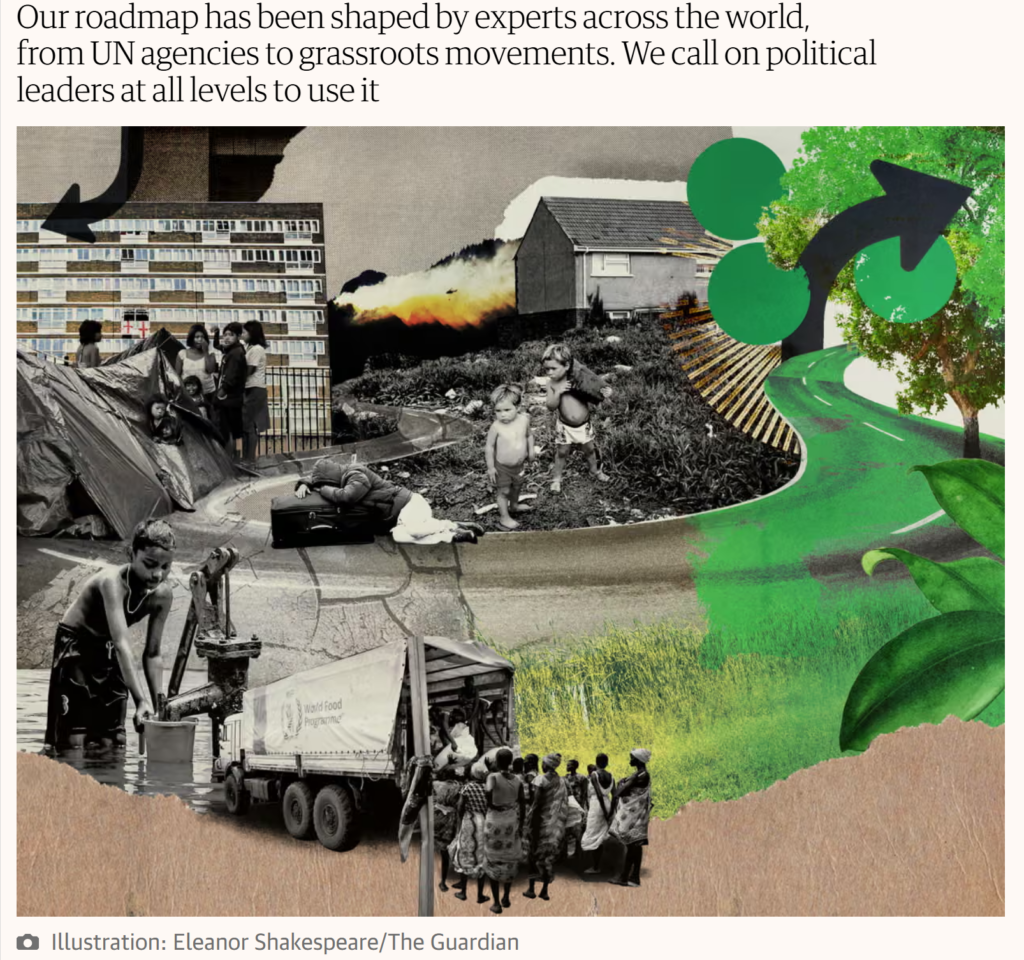
In the face of deepening inequalities and global ecological disaster, leading experts agree that growth has failed to eradicate poverty or to promote wellbeing. They confirm that poverty is not inevitable. Rather, it is manufactured.
Yet another way is possible. The Roadmap for Eradicating Poverty, co-developed by more than 400 contributors across academia, the UN system, trade unions, grassroots movements, and civil society, offers 80 concrete policy measures to transform the global economy to ensure human and ecological wellbeing by design.
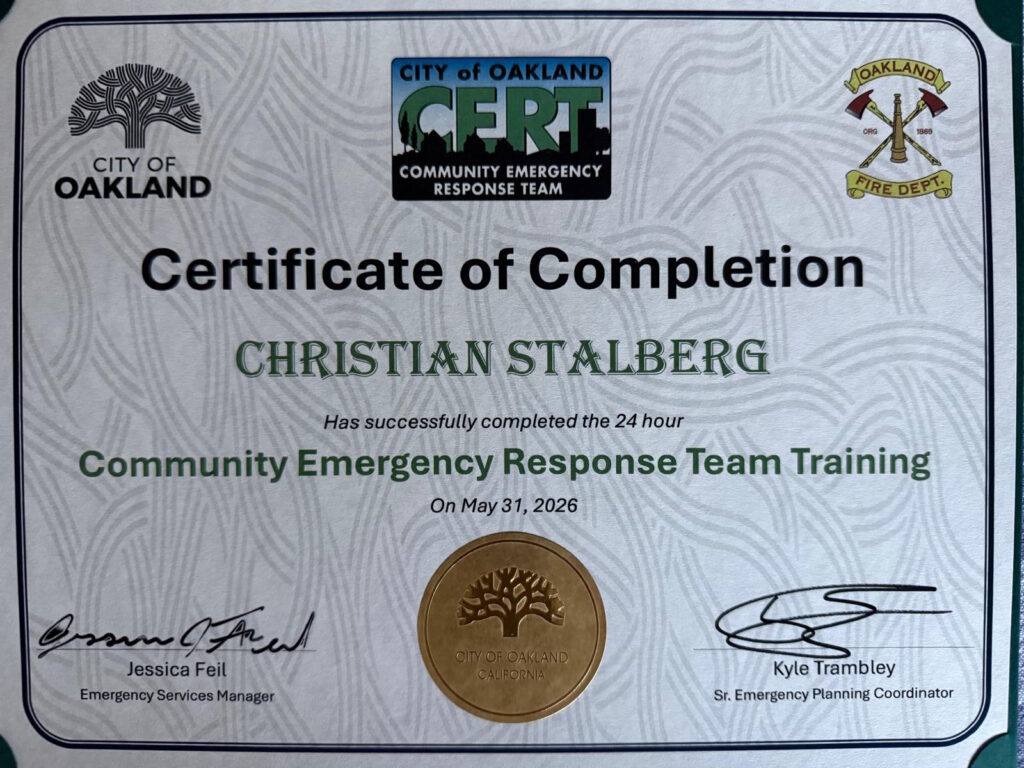 A few years ago I became a certified Community Emergency Response Team (CERT) volunteer. The certification expires after two years. I just completed re-certification. We know the Hayward Fault is going to rupture and emergency management is going to be overwhelmed. So now I am ready…again!
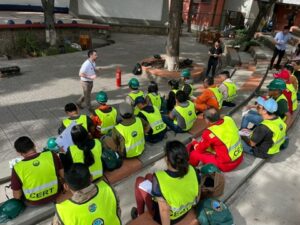
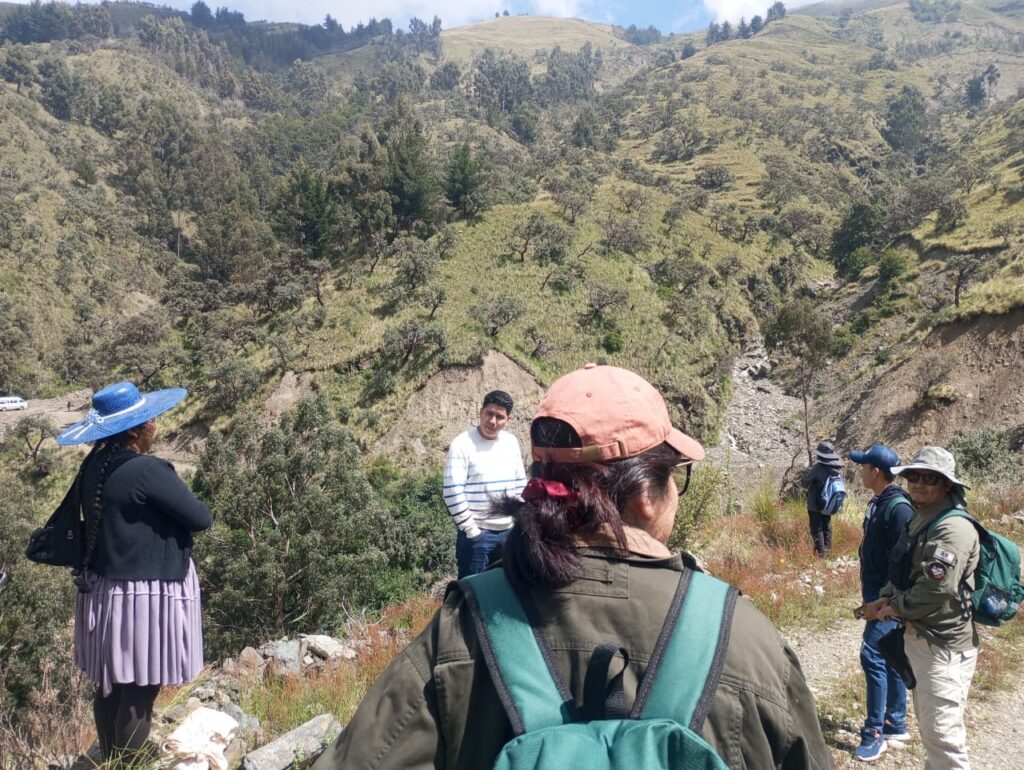
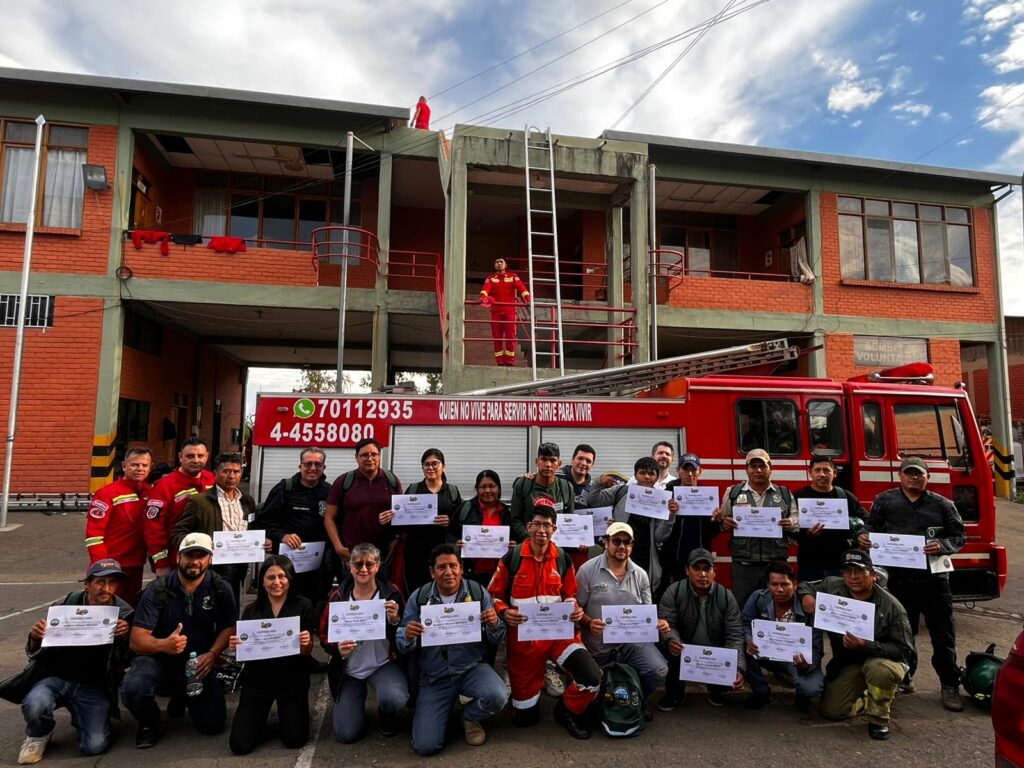
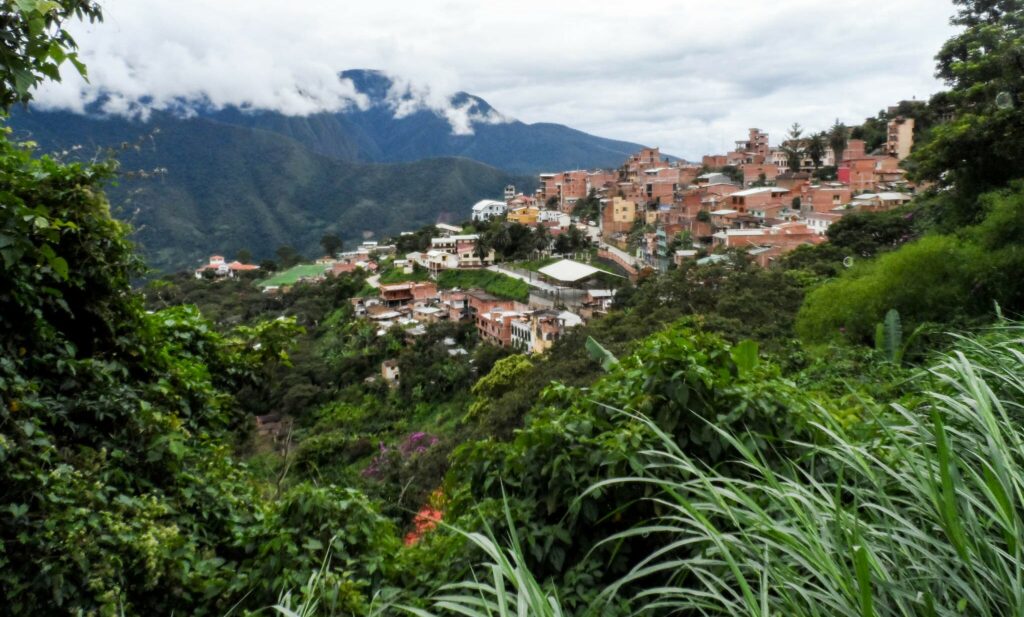
Just over a year ago I was attending a conference about the fires in Bolivia. After learning about my experience working for the State of California on wildfire matters, I was approached by Indigenous presenters at the conference and asked for help. The request resulted in the forming of an NGO called Friends of Mother Earth (Amigos de la Tierra Madre). For our first project I wrote a grant proposal to establish Community Emergency Response Teams to deal with the increasing number of disasters they’re experiencing in Bolivia. The proposal was funded by the North Carolina chapter of Partners of the Americas. We brought in two experienced CERT trainers, one from FEMA and another from CERT Latin Global headquartered in Santiago, Chile.
During the week of February 23rd we launched Bolivia’s first national Community Emergency Response Team (CERT) Train-the-Trainer program. In a single week of intensive training in Cochabamba, we certified 25 trainers representing six departments: Pando, La Paz, Beni, Chuquisaca, Cochabamba, and Santa Cruz. These trainers are now positioned to establish local CERT teams in their communities, creating a multiplier effect that extends well beyond the initial cohort. Plans include expanding basic CERT training to incorporate preparedness, recovery, mitigation, and adaptation, creating a holistic approach to hazard reduction and disaster prevention.
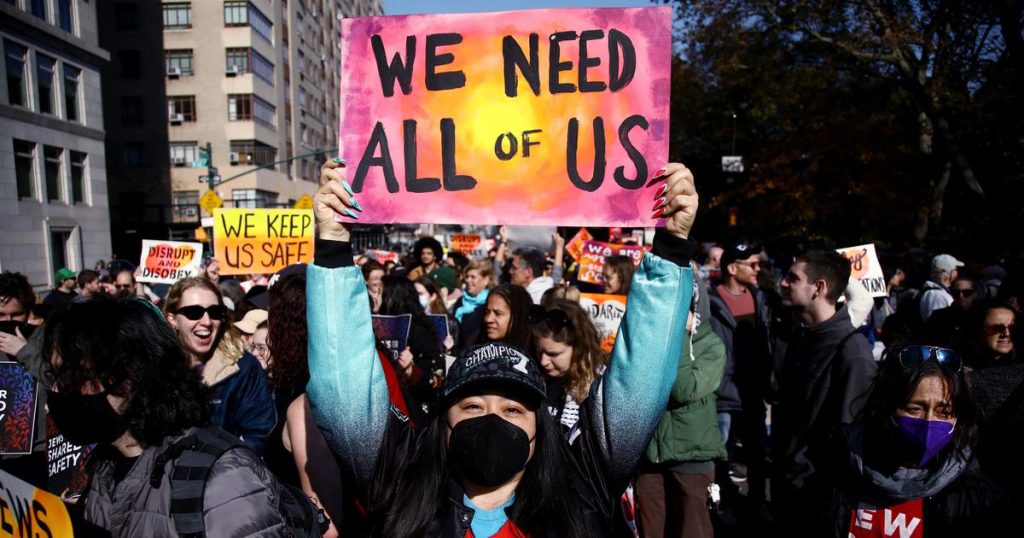
The struggle before us is nothing less than a transformation of how we live together. We must replace globalization with rooted localization — economies and decisions grounded in the communities they serve. We must move beyond isolating individualism toward a culture of shared responsibility and care. We must confront and dismantle racism, building instead a society defined by tolerance, dignity, and inclusion. It is time to question the dominance of nation-states and their so-called “representative democracy,” and to imagine something deeper: genuine, participatory decision-making by the people most directly affected by the outcomes. This vision demands courage. It asks us to move beyond failing states, imperial ambition, and the machinery of perpetual war. In their place, we can build a peaceful world rooted in mutual respect, diversity, equity, and shared humanity. The future will not change on its own — we must be bold enough to imagine it, and determined enough to create it.
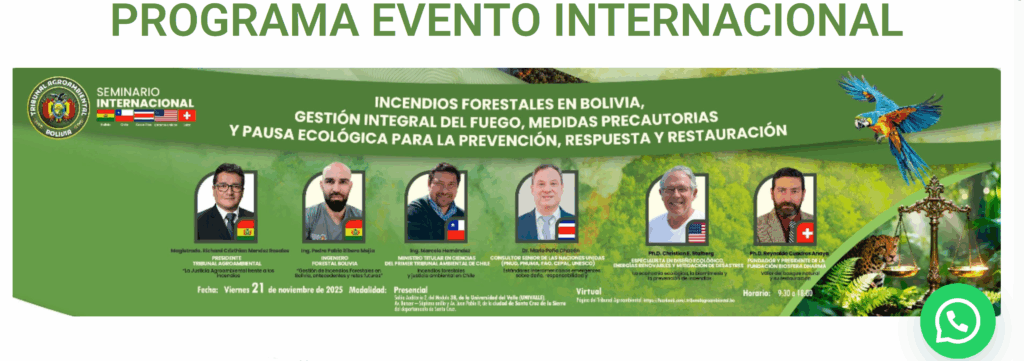
Yesterday I presented at the International Seminar on Fires hosted by the Agro-Environmental Court of Bolivia held in Santa Cruz, Bolivia. My presentation was entitled ‘The Ecological Economy, Biomímesis, and the Prevention of Fires’.
Four years ago I was enrolled in one of my required courses at ASU for my MS in Biomimicry degree. We had a final class project in which we could do just about anything. I chose to make a film. I was reminded of this when I saw this recent article How the Biosphere 2 experiment changed our understanding of the Earth on the BBC website. I used footage that was taken from that experiment in my film to show the folly of man’s hubris in relying upon technology to replace Nature’s life support systems. 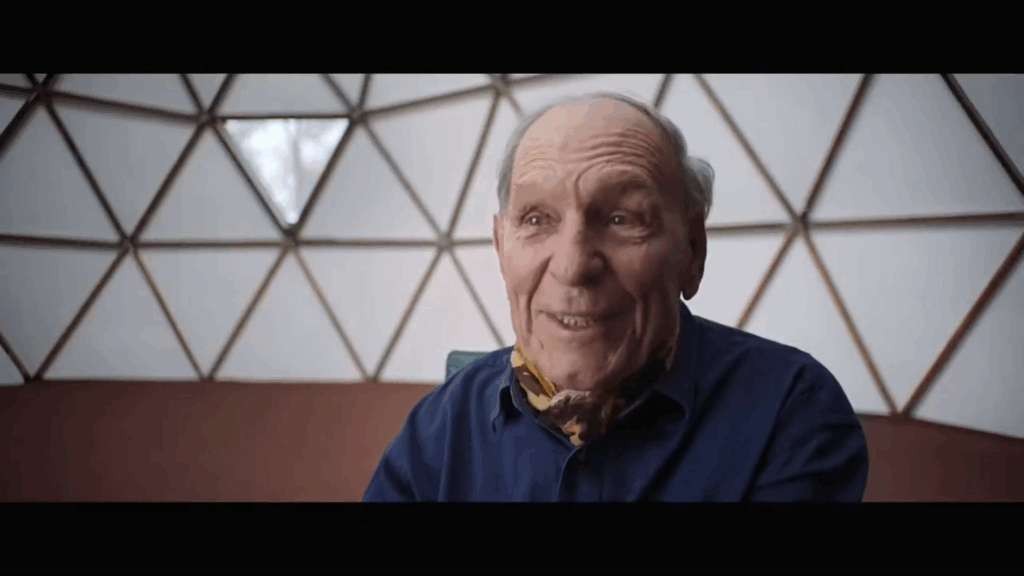
The world is going through a crisis of unprecedented global scale engendered by a dominant system that has resulted in deepening inequalities, increasing deprivation in old and new forms, the destruction of ecosystems, catastrophic climate change, ruptures in socio-cultural fabrics, and the violent dispossession of living beings.
However, there is an increasing emergence and visibility of an immense variety of radical alternatives to this dominant regime, contesting its roots in capitalist, patriarchal, racist, statist, and anthropocentric forces.
These range from initiatives with a specific focus like sustainable and holistic agriculture, community led water/energy/food sovereignty, solidarity and sharing economies, worker control of production facilities, resource/knowledge commons, and inter-ethnic peace and harmony, to more holistic or rounded transformations such as those being attempted by the Zapatista in Chiapas and the Kurds in Rojava. Alternatives also include the revival of ancient traditions and the emergence of new worldviews that re-establish humanity’s place within nature, as a basis for human dignity and equality.
– excerpt from the Global Tapestry of Alternatives
 https://www.theguardian.com/commentisfree/2026/jun/10/economists-maths-growth-doomed-strategy-un-agencies-political-leaders